Cart
0

We’ve all seen those great videos, a rich, golden oil being massaged into a scalp, promising a "mirror-like" shine and inches of new growth by morning. It looks incredibly therapeutic, and let’s be honest, the dream of a healthy, flake-free scalp is something we all want. But if you’ve ever tried it only to end up with a greasy mess or an itchy, breakout-prone scalp, you know that oiling isn't a "one size fits all" miracle.
The truth is, your scalp is essentially an extension of your face. Just as you wouldn’t pour heavy oil on an already oily T-zone, you shouldn’t blindly oil your scalp without a plan. To get that thick, glowing hair, you need a routine that actually respects your biology.
The Biology of Your Scalp: It’s All About the Sebum
Your scalp has its own little environment. Every single hair follicle has its own sebaceous gland, which produces sebum, your body’s built-in natural oil. This substance is essential; it creates a protective shield, keeps your skin from cracking, and coats your hair to prevent it from snapping.
When we talk about "oiling," we’re really just supplementing what our bodies already do. However, research shows that the scalp has a higher density of these oil-producing glands than almost anywhere else on your body. If you add too much external oil, you risk upsetting the microbiome, the delicate balance of "good" fungi and bacteria that keep your skin healthy.
The Myth of the "Dry" Scalp
One of the biggest mistakes people make is thinking that every flake needs more oil. In reality, many "flakes" are actually a sign of seborrheic dermatitis. This is often triggered by Malassezia, a yeast-like fungus that actually feeds on oil.
If you slather heavy oils (like coconut or olive oil) onto a scalp that’s already struggling with this fungus, you’re basically "feeding the fire." This is why a smart routine is about frequency and hair type, not just "more is better."
So, How Often Should You Actually Do It?
 To find your "sweet spot," you need to figure out your scalp’s type:
1. The Truly Dry or Tight Scalp (Once a Week)
If your scalp feels "small" or tight and your flakes are tiny and white (like dust), you’re likely genuinely dry.
▪ The Routine: Use a lightweight oil like jojoba or argan once a week. Jojoba is a superstar because it’s chemically almost identical to our own sebum, so your skin actually likes it.
▪ Pro Tip: Leave it on for about 30 minutes before your shower. Leaving oil on for days can trap sweat and bacteria against your skin, which is a recipe for irritation.
2. The Oily or Breakout-Prone Scalp (Skip the Roots)
If your hair looks "wet" or greasy by the end of the first day, your glands are already overachieving.
▪ The Routine: Focus your oiling on the mid-lengths and ends of your hair to prevent split ends, but leave your scalp alone. Adding more oil here can lead to "scalp acne" or painful inflammation of the follicles (folliculitis).
3. Coily or High-Textured Hair (1–2 Times a Week)
Hair texture changes the game. Because of tight curls, your natural sebum has a harder time traveling down the hair strand, leaving both the roots and the ends prone to dryness.
▪ The Routine: A gentle scalp massage with a light oil twice a week can boost blood flow and provide that much-needed lubrication.
The Right Way to Apply for Growth
 It’s not just about how often; it’s about the technique. According to clinical research, manual stimulation has a significant impact on hair thickness.
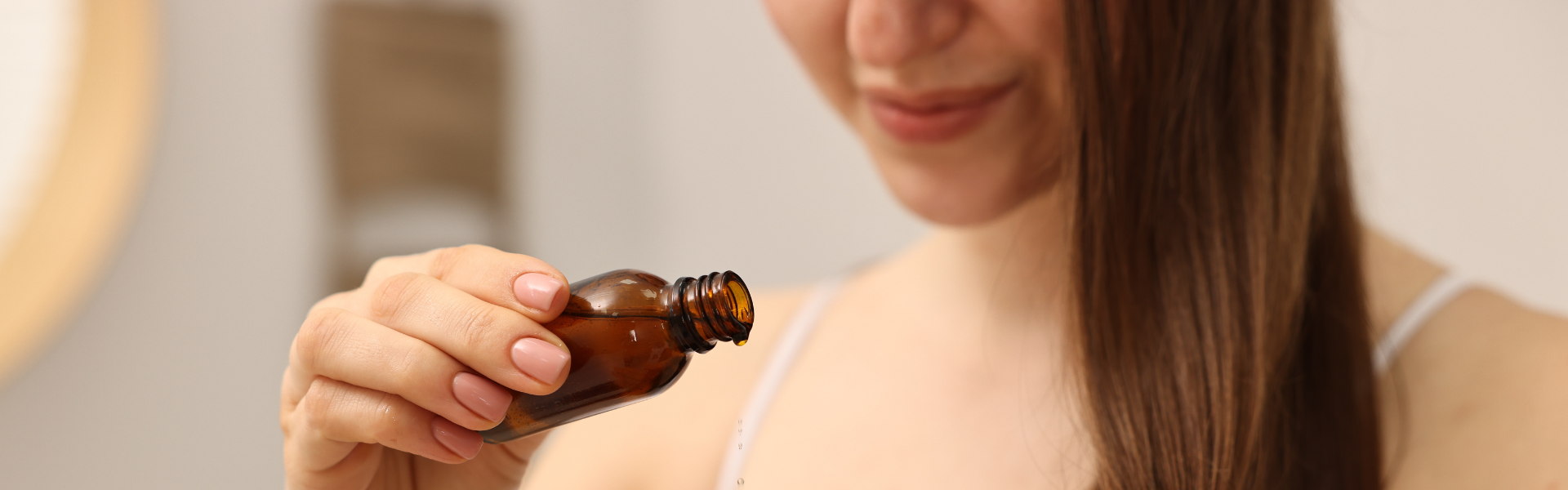
▪ Sectioning is Key: Don't just dump oil on your head. Use a dropper to get the product directly onto the skin.
▪ The 5-Minute Rule: Use the pads of your fingers, never your nails—to move the scalp in small circles. This isn't just relaxing; studies show it can actually thicken hair by stretching the follicle cells and "waking them up" (mechanical stimulation).
▪ The Double Rinse: When you wash it out, make sure you're thorough. Any leftover oil can sit there, go "stale," and cause an unpleasant odor or itchy buildup.
The Verdict
Oiling can be a beautiful, therapeutic ritual as long as you’re listening to what your skin actually needs. If you notice things getting red, itchy, or "yellow" and oily, hit the pause button and give your scalp a break.
For most of us, a once-weekly "pre-wash" treatment is the perfect middle ground for a healthy scalp and hair that looks as good as it feels.