Cart
0
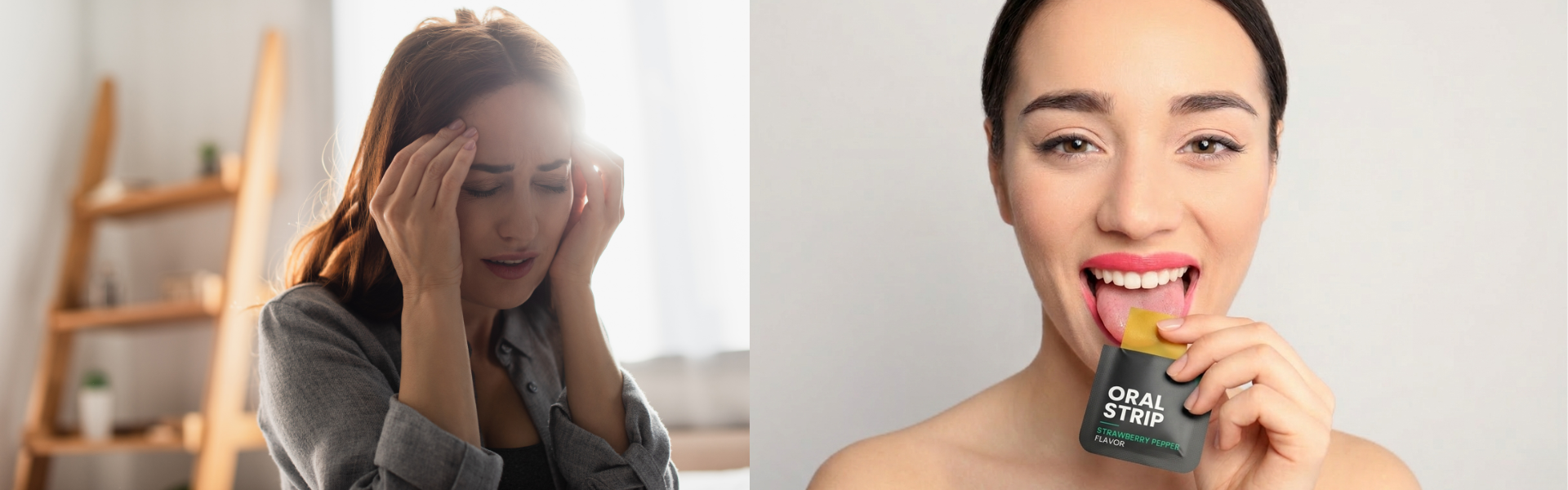
We’ve all felt that familiar tightness. Perhaps it's that thick cerebral fog that develops after a week of "urgent" emails, your heart racing before a major meeting, or those stiff knots in your shoulders after a commute. In today’s world, we often treat stress like a badge of honor, but your body isn't meant to carry that weight indefinitely.
It’s easy to dismiss stress as "just a feeling," but stress is the body’s automatic physical reaction to real or imagined forces. Takeover. It is also a full blown biological takeover. You must understand how your internal alarm system functions and how relax and sleep strips can be a good option if you want to regain your exposure.
The "Fight or Flight" Trap: Why Do You Feel Stuck?
Think of your brain as a built-in alarm system. When you face a stressful situation, your brain triggers a fight-or-flight response, releasing hormones like adrenaline and cortisol. These hormones increase heart rate, raise blood pressure, and sharpen focus to help you respond to danger.
This is your "fight-or-flight" response. In small doses, it’s a superpower; it sharpens your focus and readies your muscles. However, in today’s world, that alarm hardly even goes off. Chronic stress acts like a slow burning fire and many people find themselves asking, how does stress affect the body over a long term? You feel less "yourself" and more reactive because of this.
▪ The Heart: High levels of concentration increase blood pressure and put undue strain on the cardiovascular system. Stress raises blood pressure and heart rate.Over time, this can put strain on the cardiovascular system and increase the risk of heart disease.
▪ The Gut: When you are anxious, do you feel butterflies or a knotted stomach? This is due to the fact that stress interferes with the brain-digestive system link, which results in bloating or a compromised immune system.
▪ The Nightly Toll: It’s also crucial to consider how does stress affect sleep?. Your brain is kept in a condition of "hyper-arousal" by high cortisol levels at night, which makes it almost impossible to get the deep, rejuvenating sleep your body needs to heal itself.
Breaking the Cycle: The Science of "Rest and Digest"
 To fix the wear and tear, we need to manually flip the switch from "Fight or Flight" to the "Rest and Digest" mode. While deep breathing and meditation are fantastic, they aren't always easy to do when you’re mid-crisis in a crowded office. This is where Cognitive Relax Strips come into play.
These approaches help regulate the stress response and protect long-term health.
What Makes These Strips Different?
Most supplements come in pill form, which can take nearly an hour to digest. By then, the stressful moment might have already peaked. Relax strips use thin-film technology; you just place a small strip on your tongue, and it dissolves in seconds.
The "Calm" Ingredients: How Do They Work?
These strips aren't about sedating you; they’re about balancing your brain chemistry using science-backed ingredients:
▪ L-Theanine: Found in green tea, this amino acid encourages "alpha" brain waves. It’s that feeling of "quiet focus" you get right after a good workout or a long walk.
▪ GABA: Think of this as your brain’s primary brake pedal. It helps slow down the overactive firing of neurons that lead to racing thoughts.
▪ Ashwagandha: An ancient herb that helps your body manage its cortisol levels, making you more resilient to stress over the long term.
Why Cognitive Relax Strips Are A Good Fit?
 If you're in the middle of a frantic workday, you don't always have a glass of water handy or an hour to wait for a capsule to kick in.
▪ Speed: They work faster because they don't have to be "processed" by your stomach.
▪ Portability: You can keep them in your wallet or pocket—a "safety net" for whenever anxiety hits.
▪ Precision: You get a clean, measured dose designed to help you stay sharp and focused, not sleepy.
The Bottom Line
Although stress is a natural part of life, it doesn't have to control it. By making focussed assistance of Cognitive Relax Strips and pairing small habit changes like a five-minute walk or better sleep with the targeted support, you can prevent the stress response from causing long-term harm to your body.