Cart
0
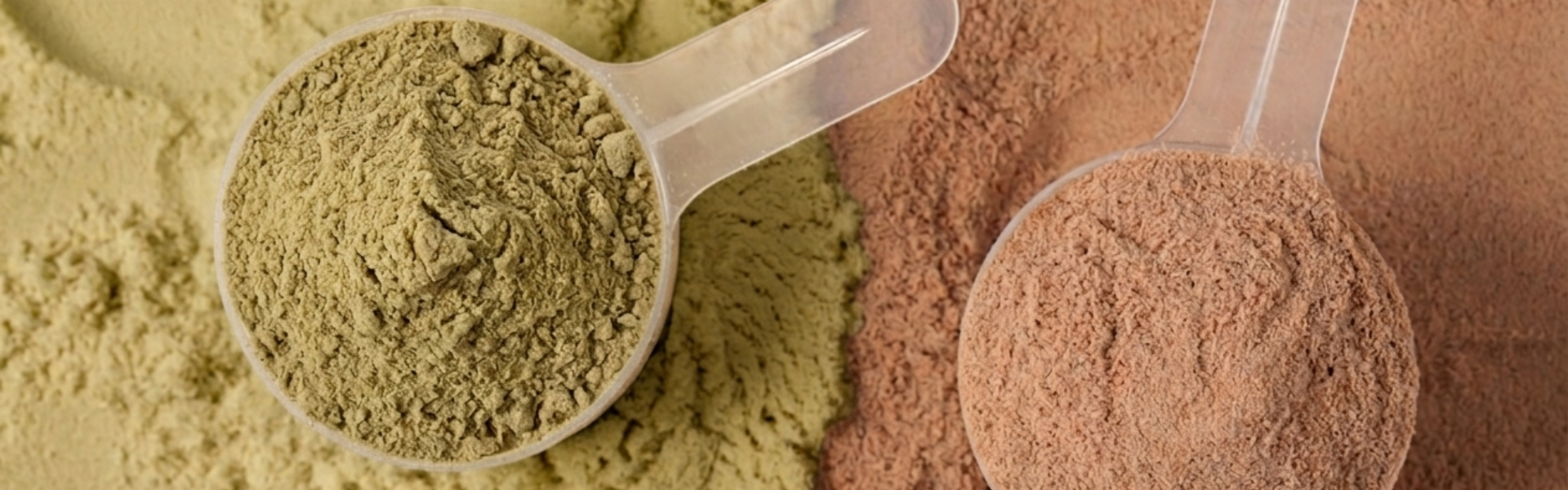
You've stared at the supplement aisle, at two tubs, the same brand, but one says "Isolate" and costs more. Is it worth it? Or is it concentrating on doing the same job for less? Let's cut through the marketing and look at the actual science.
What are they, exactly?

Isolate and concentrate come from the liquid whey, a substitute of the cheese. The difference is how much they're processed. Concentrate goes through basic filtration and ends up with 70–80% protein by weight, along with small amounts of fat and lactose. Isolate is filtered further, often through a method called 'cross-flow microfiltration', producing a powder that's 90%+ protein with almost no fat or carbohydrates.
Whey Protein Isolate?
▪ 90%+: protein by weight.
▪ Fat per serving: ~0.5 g.
▪ Lactose: Trace / none.
▪ Calories: ~110 kcal.
▪ Processing: High (microfiltered).
▪ Cost: Higher.
Whey Protein Concentrate?
▪ 70-80% protein by weight.
▪ Fat per serving: 2–5 g.
▪ Lactose: Low–moderate.
▪ Calories: ~130 kcal.
▪ Processing: Moderate.
▪ Cost: Lower.
Does it actually matter for muscle growth?
Here's the part most ads won't tell you: whey protein content is matched gram for gram, both types perform similarly for muscle protein synthesis, the biological process that builds new muscle tissue.
A 2020 review in the Journal of the International Society of Sports Nutrition found that total daily protein intake and amino acid profile matter far more than the amount of whey consumed. Both concentrates and isolates are "complete proteins"; they contain all nine essential amino acids, including leucine, the key amino acid that triggers muscle protein synthesis.
Key science fact?
The leucine threshold for muscle protein synthesis is around 2–3 g per meal. A typical 25 g scoop of either whey type easily clears this threshold, making the form less critical than consistent daily intake.
So when does isolation actually win?
 In certain real-world scenarios, isolation has a distinct advantage.
▪ Lactose intolerance: There are trace levels of lactose in concentrate. Isolating with almost no lactose is a simple solution if you have bloating or stomach discomfort; however, many people manage it well.
▪ Cutting phases: Decreasing the fat and carb composition allows you to meet protein goals with less “noise” in your figures if you are monitoring every macro in a calorie deficit.
▪ Post-workout timing: Isolate absorbs marginally faster due to less debris consumption, though research on whether this speed difference produces meaningful anabolic advantages is mixed and modest.
When is it concentrating on the smarter choice?
If you digest dairy well and you're in a bulking or maintenance phase, concentrate delivers nearly identical muscle-building outcomes at a meaningfully lower price point. The small amounts of fat it contains, including conjugated linoleic acid (CLA), may even offer minor health benefits, though evidence here is preliminary. For budget-conscious athletes training hard and eating enough overall protein (1.6–2.2 g per kg of bodyweight, per current evidence-based guidelines), concentrate is a perfectly rational choice.
Making the Best Choice for Your Goals
To make a truly helpful, people-first decision, consider how each powder fits into your overall daily routine and budget.
▪ Choose Whey Concentrate if: You are on a budget, you don't have a lactose sensitivity, and your main goal is overall muscle building or weight management. It also tends to have a slightly richer, creamier flavour because of the small amount of healthy fats.
▪ Choose Whey Isolate: If you are closely tracking your macronutrients (like cutting calories for a specific body composition goal), you are severely lactose intolerant, or you want the fastest possible absorption right after an intense training session.
Conclusion
Is one strictly better for muscle growth? From a pure muscle-building standpoint, they are equal. Your muscles recognise the amino acids, not the price tag or the filtration method. If your stomach handles lactose perfectly fine, save your money and buy a high-quality whey concentrate. But if you want an ultra-pure formula that is easy on the stomach and zero carb, investing in a whey isolate is a smart, science-backed move. Choose the one that fits your lifestyle, and stay consistent with your training, and the results will follow.